
Baile / Nuacht / Nuacht Tionscal / Conas a idirghníomhaíonn an Pump Uisce Motor Stator agus Rotor Core le córais fuaraithe, cosúil le cásanna leachtacha nó aer-fhuaraithe, chun an chothromaíocht teochta is fearr a choinneáil le linn dianoibríochta?
Conas a idirghníomhaíonn an Pump Uisce Motor Stator agus Rotor Core le córais fuaraithe, cosúil le cásanna leachtacha nó aer-fhuaraithe, chun an chothromaíocht teochta is fearr a choinneáil le linn dianoibríochta?
-
Éifeachtúlacht Aistrithe Teirmeach agus Dinimic Diomailt Teasa :
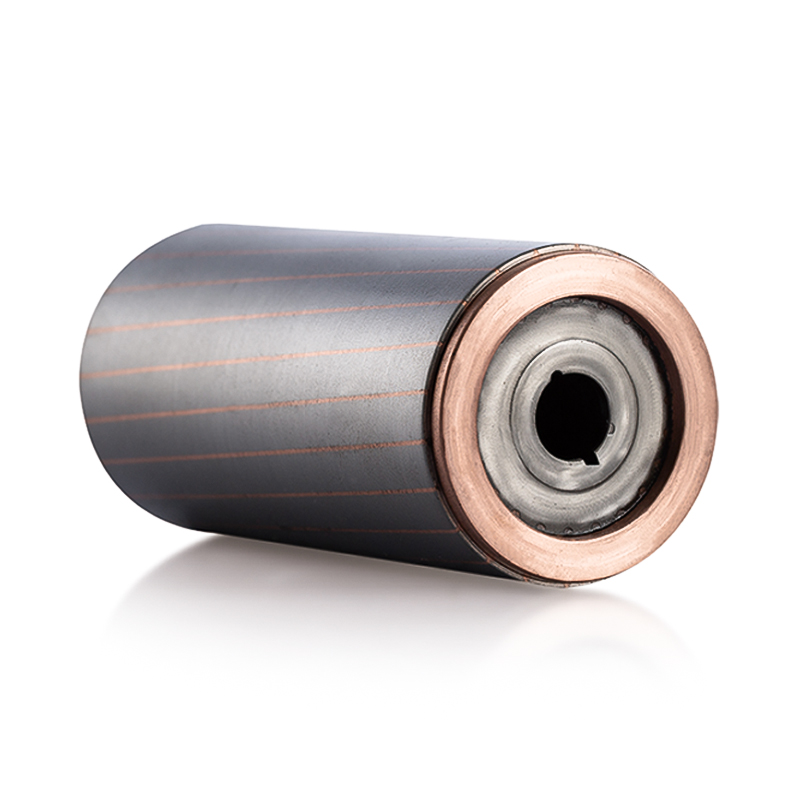
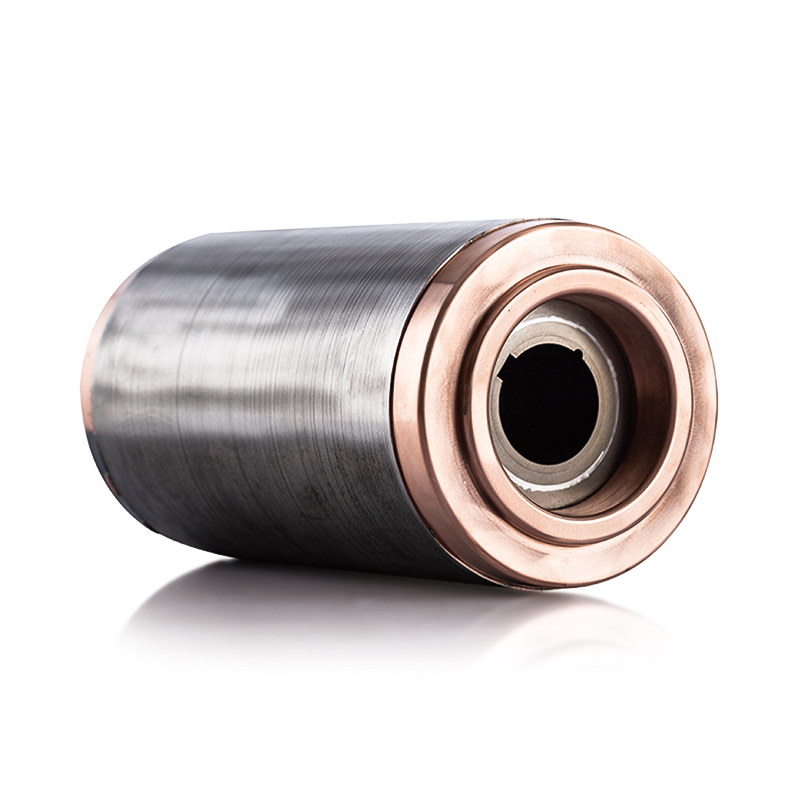
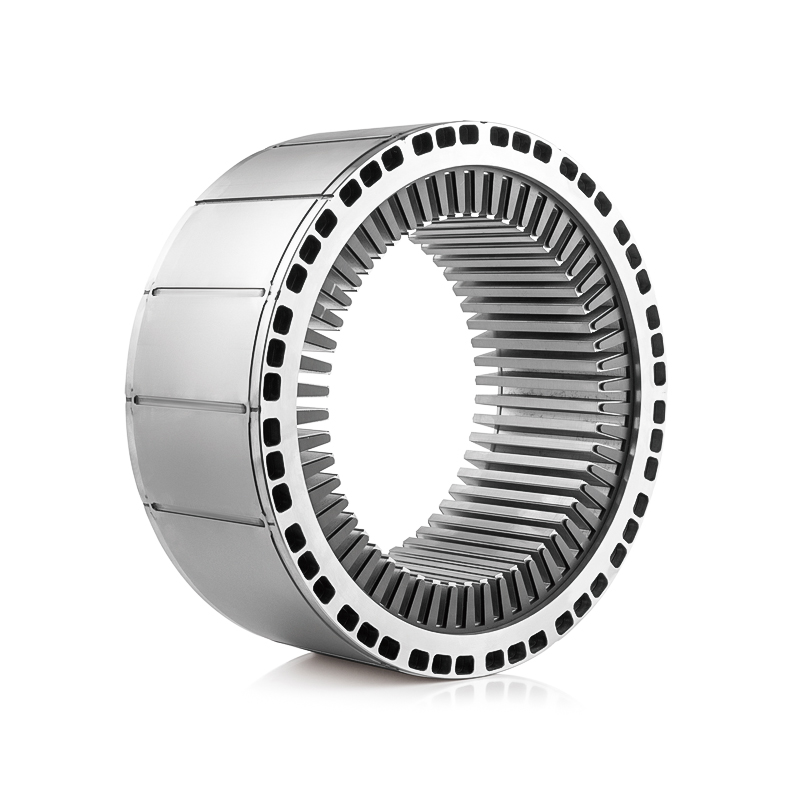
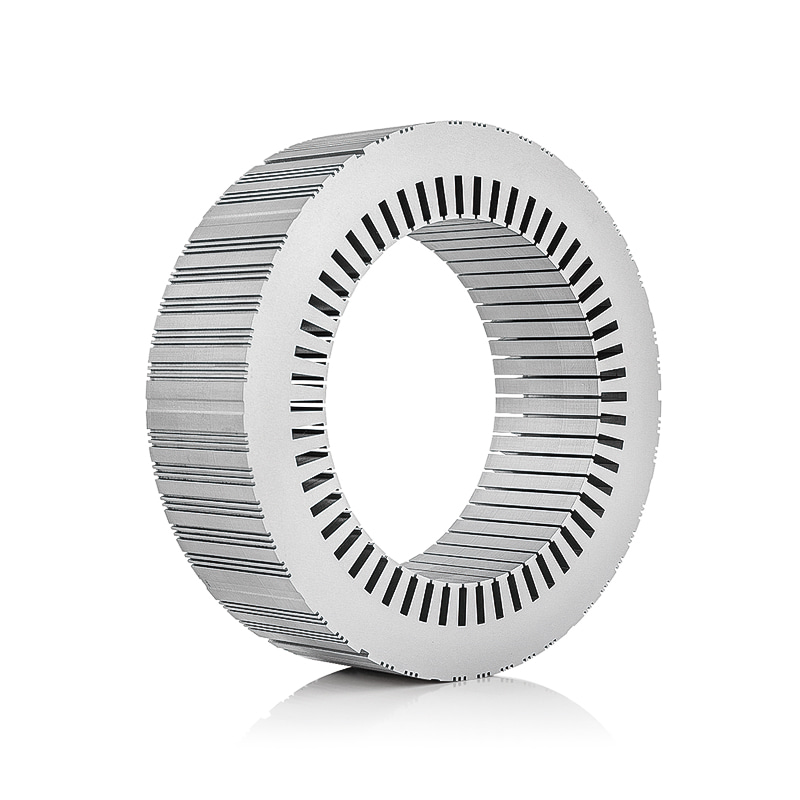
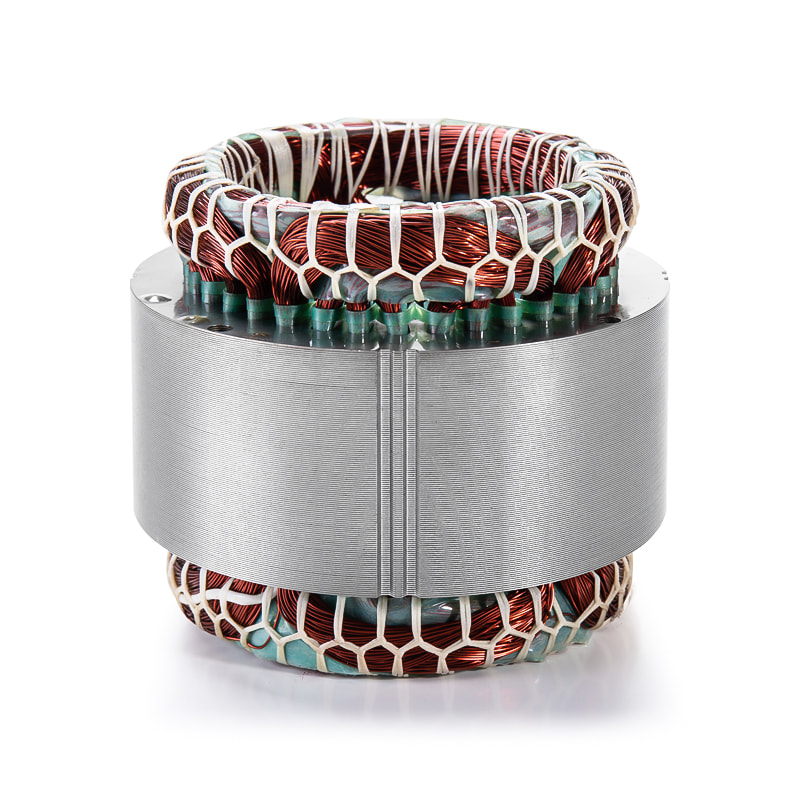
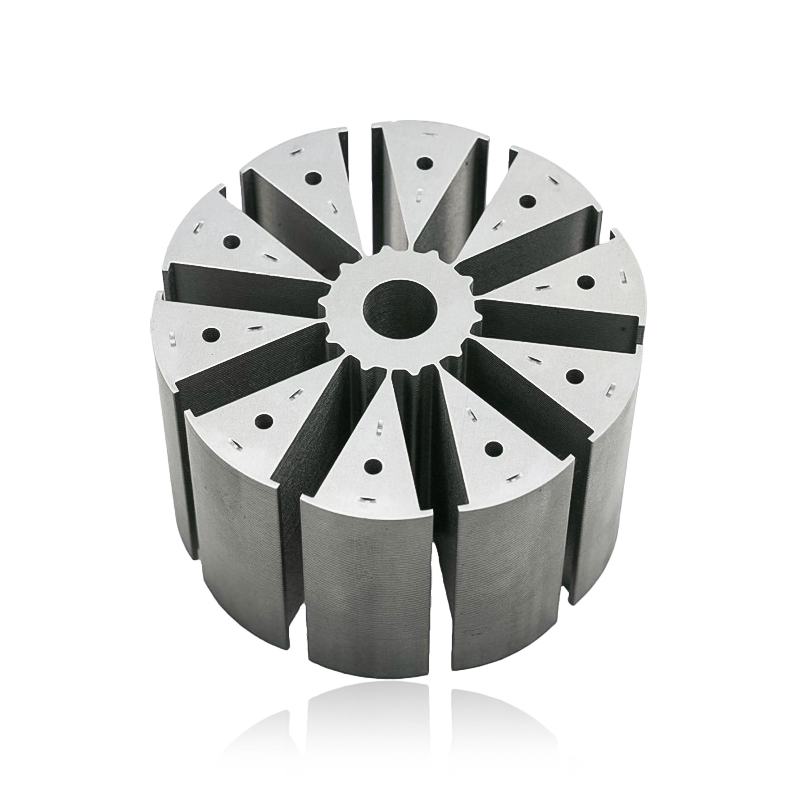
Tá an Stator Mótair Caidéal Uisce agus Croí Rotor atá faoi lé go leanúnach do theas a ghintear le linn excitation réimse maighnéadach agus sreabhadh srutha. Tá diomailt teasa éifeachtach riachtanach chun demagnetization nó díghrádú inslithe a chosc. Tá na croíleacáin comhdhéanta de chruach sileacain lannaithe ardchaighdeáin le seoltacht teirmeach níos fearr, rud a chinntíonn aistriú teasa tapa ón gciorcad maighnéadach. Nuair a bhíonn sé péireáilte le tithíocht leacht-fhuaraithe, sreabhann an chuisnithe trí bhealaí comhtháite a théann i dteagmháil go díreach le criosanna ardteochta, rud a chuireann dáileadh fiú teirmeach chun cinn. I gcórais aerfhuaraithe, cabhraíonn cuimsiú cosáin aeraithe optamaithe agus eití teas-diúscartha chun an sruth aeir timpeall an statóra agus an tionól rótair a uasmhéadú. Is é an toradh ná grádán teocht rialaithe a chuireann cosc ar áiteanna te teirmeacha agus a chaomhnaíonn feidhmíocht mhaighnéadach aonfhoirmeach an mhótair. -
Dearadh agus Innealtóireacht Bhealaí Fuarúcháin :
Tá an layout of the cooling system determines how effectively the Water Pump Motor Stator and Rotor Core can maintain stable operating temperatures. In liquid-cooled designs, internal cooling jackets or spiral channels are positioned close to the stator windings and rotor shaft to ensure efficient convection and minimize heat accumulation. Advanced computational fluid dynamics (CFD) modeling is often employed to simulate flow velocity, turbulence, and temperature gradients within these channels. For air-cooled configurations, engineered fan systems or forced ventilation ducts are designed to direct air evenly across the stator slots and rotor periphery, reducing localized heating and maintaining consistent motor torque. The overall goal of both designs is to preserve the electromagnetic balance and reduce mechanical strain caused by temperature variations. -
Comhoiriúnacht Ábhar agus Comhordú Leathnú Teirmeach :
Tá an interaction between the Water Pump Motor Stator and Rotor Core and the cooling system materials must account for differences in thermal expansion. The motor components, including laminations, copper windings, and insulation layers, expand at varying rates under heat. Improper management of these differences can lead to mechanical stress, misalignment, or even cracking. Engineers use precise material selection and dimensional tolerances to ensure that all parts expand uniformly under operational temperatures. Thermal interface materials (TIMs) and specialized adhesives with high thermal conductivity but low expansion coefficients are used between the stator core and cooling surfaces to facilitate consistent contact and reduce vibration-related heat buildup. This balance prevents mechanical deformation and ensures the rotor’s concentric alignment with the stator bore remains intact throughout operation. -
Cobhsaíocht Flux Leictreamaighnéadach agus Maighnéadach a Chaomhnú :
Tá an magnetic efficiency of the Water Pump Motor Stator and Rotor Core is directly affected by temperature. As temperature increases, magnetic permeability may decrease, resulting in reduced flux density and lower torque output. An effective cooling system stabilizes these thermal conditions, allowing magnetic domains to maintain consistent alignment. This stability translates to uniform torque generation, reduced electrical losses, and minimal rotor imbalance. Modern insulation coatings on stator laminations help reduce eddy current losses by maintaining electrical isolation even under elevated temperatures, further supporting electromagnetic efficiency. -
Comhtháthú le hArdchórais Monatóireachta agus Rialaithe Teirmeacha :
Chun iontaofacht an Chaidéil Uisce Motor Stator agus an Rotor Core a fheabhsú, comhtháthaíonn córais mhótair chomhaimseartha braiteoirí teirmeacha agus leictreonaic rialaithe laistigh de na foirceannadh stator agus na tithíochta. Déanann na braiteoirí seo monatóireacht leanúnach ar theocht ag pointí iolracha, ag cothú sonraí isteach in algartam rialaithe fíor-ama. Nuair a aimsítear teas iomarcach, déanann an córas déine an fhuaraithe a choigeartú go huathoibríoch - trí ráta sreafa an chuisnithe nó luas an lucht leanúna a mhéadú - chun cothromaíocht theirmeach a athbhunú. In iarratais ardfheidhmíochta, is féidir le halgartaim rialaithe teirmeach réamh-mheasta treochtaí róthéamh féideartha a thuar bunaithe ar choinníollacha ualaigh agus fuarú a choigeartú go réamhghníomhach. Cinntíonn an lúb aiseolais Chliste seo feidhmíocht chomhsheasmhach gan cur amú fuinnimh nó caitheamh meicniúil gan ghá.
Alt roimhe seo
Conas a dhéanann geoiméadracht na bhfiacla agus na sliotán i Generator Motor Stator agus Rotor Core difear do dháileadh flosc maighnéadach agus aschur chasmhóiminte?
chéad alt eile
Cén tionchar atá ag an Rail Transit Motor Stator agus Rotor Core ar laghdú torainn agus creathadh i gcórais mhótair idirthurais iarnróid?
Nuacht Gaolmhar
-
Cad iad Croílár Statnó agus Rotor ? Stator Cores A croí stator tá an stáiseanóireachta chomhpháirt de mhótar leictreach. Is í an chuid sin ina bhfuil na foirceannadh copa...
See Details -
Réamhrá Is meaisín casta é an gluaisteán nua-aimseartha, agus tá a éabhlóid á thiomáint ag nuálaíocht leanúnach i ngach comhpháirt. Cé go bhfuil innill dócháin inmheánaigh chun tosaigh sa tionsc...
See Details -
An Tábhacht a bhaineann le Roghnú Ábhar le haghaidh Rotnó agus Croílár Statnós i Mótair Feithiclí Leictreacha I ndearadh mótair feithicle leictreacha (EV), tá roghnú ábhar ina fhachtóir ríthábha...
See Details -
Tabhairt isteach statnó mótair feithicleach agus cores rotor Tá dul chun cinn suntasach déanta i dteicneolaíocht na ngluaisteán mar gheall ar an éileamh méadaithe atá ar fheithiclí leictrea...
See Details